


Holland Talks Visionary Speakers + Community Conversation
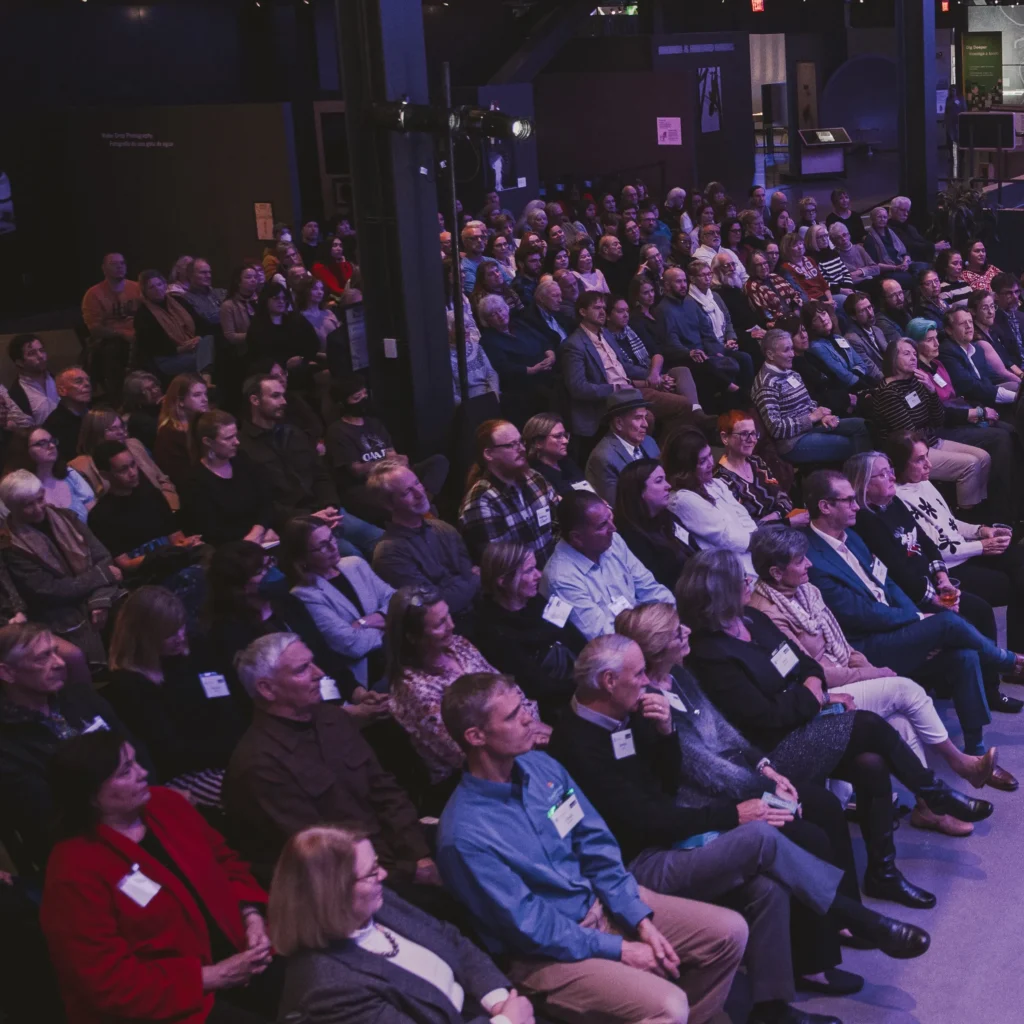
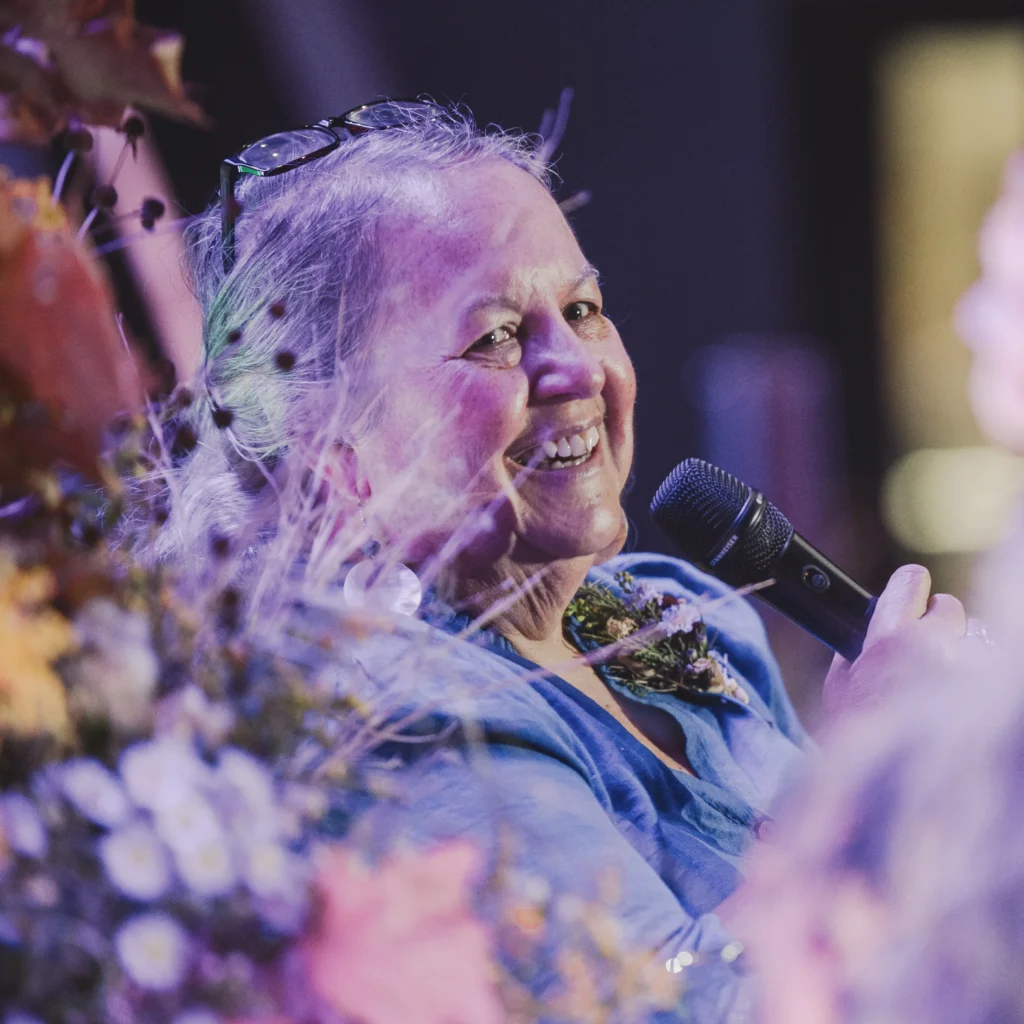
The Holland Talks lecture series invites nationally and internationally recognized experts to lead community conversations about timely and provocative ideas that challenge and broaden understandings of a wide range of topics, including science, technology, the arts, ethics, and philosophy.
Each event in the ongoing lecture series will convene diverse audiences for a ticketed lecture event, alongside programming in the community to expand the conversation and elevate Omaha as a home for cultural and civic discourse.
Friday, August 7, 2026
Doors Open: 6PM
Lecture Begins: 7:30PM
Presented in collaboration with Flatwater Free Press, Holland Talks at the Luminarium brings together a diverse panel of thought leaders, exploring the intersection of agriculture, ecology, and public health. Understanding that our relationship with food is an extension of our relationship with the land, we’ll investigate the impact of food systems on human wellbeing and the environment.
PANELISTS:
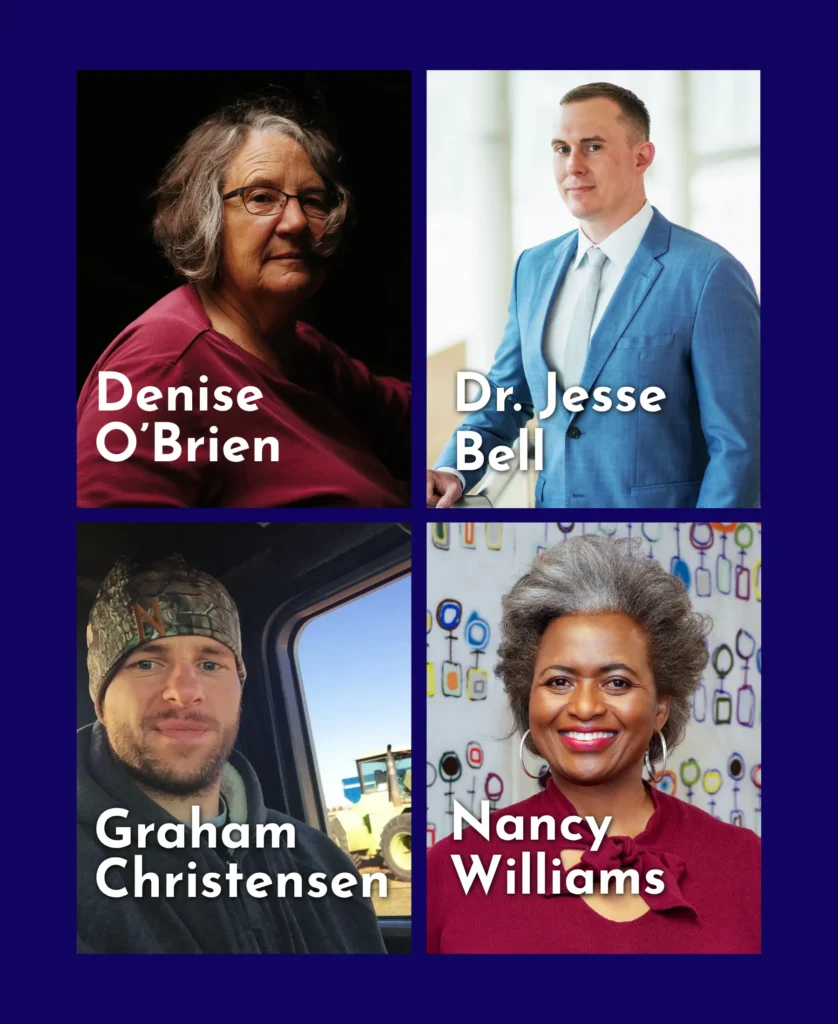
Dr. Jesse Bell – Director, Water, Climate and Health Program, UNMC
Graham Christensen – Co-Founder and President, GC Resolve LLC
Denise O’Brien – Co-Founder, Women Food and Agriculture Network
Nancy Williams – Co-Founder/Former President/CEO, No More Empty Pots
Agriculture has shaped the Midwest’s identity, economy, and culture for generations. Today, farmers and communities are navigating new questions including emerging research around water quality and health outcomes in the region. Panelists will discuss the challenges facing our current systems while highlighting innovative approaches already taking root, from regenerative practices and land stewardship to community-driven solutions and new ways of thinking about our relationship with food. Rather than focusing only on problems, Farming for the Future asks: What can we build together? How can scientists, farmers, and communities help shape healthier food systems for the next generation?
Holland Talks tickets include free admission to the Luminarium, including time before the lecture to explore the museum. Onsite restaurant Fig. will be open until 7:30PM, offering dinner and drinks before the event.
Luminarium Members: $15
Non-Members: $20
NOW SOLD OUT
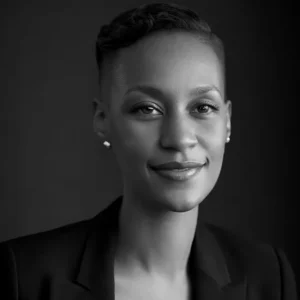
Leah Wambui KeinamaOur Moderator for the Evening
Leah Wambui Keinama is a facilitator and systems thinker whose career has centered on bringing people together to solve complex community challenges. Her work spans software engineering, food systems, journalism, and civic engagement, with a consistent focus on building partnerships that turn ideas into action.
As Director of Civic Journalism for the Nebraska Journalism Trust, Leah works to strengthen civic participation and public trust through community-centered journalism. Previously, she led initiatives focused on regenerative agriculture, soil health, local food systems, environmental health, and entrepreneurship.
Leah began her career as a systems engineer in the software industry before transitioning into mission-driven work that connects science, community, and public engagement. She brings an analytical mindset and a collaborative approach to conversations about complex issues, helping diverse groups explore ideas, build understanding, and identify practical paths forward.
About the Panelists
Dr. Jesse Bell
Dr. Jesse E. Bell is the Claire M. Hubbard Professor of Water, Climate, and Health in the Department of Environmental, Agricultural, and Occupational Health at the University of Nebraska Medical Center (UNMC) and holds a joint appointment in the School of Natural Resources within the Institute of Agriculture and Natural Resources at the University of Nebraska–Lincoln. He serves as director of the Water, Climate and Health Program at UNMC and director of Water, Climate and Health at the Daugherty Water for Food Global Institute at the University of Nebraska.
The mission of these programs is to advance interdisciplinary research, education, and collaborative solutions to public health challenges associated with environmental issues in Nebraska and around the world. As the founding director, he helped lead the develop of the mission, goals, and strategic vision for this collaborative initiative that has grown to currently support 19 faculty and staff, 17 students (PhD, MD, MPH, and undergraduate), and 6 affiliated faculty. His expertise and scholarship focus on understanding how human and natural processes are linked to changes in the environment and climate.
Prior to joining UNMC, Dr. Bell served in an interagency position between the National Oceanic and Atmospheric Administration (NOAA) and the Centers for Disease Control and Prevention (CDC). In this role, he developed innovative approaches to integrate NOAA data products into CDC operations and fostered collaboration between agencies to advance understanding of climate impacts on health.
Dr. Bell has authored more than 80 scientific articles, book chapters, and technical reports. He was a lead author of the U.S. Global Change Research Program report The Impacts of Climate Change on Human Health in the United States: A Scientific Assessment (released by the White House in 2016) and a contributing author of the Human Health chapter for the congressionally mandated Fifth U.S. National Climate Assessment. He is also an expert on the drought impacts on human health and helped with creating a national strategy document for NOAA on integrating public health into drought planning and preparedness in the United States. His work also advances water quality protection by examining how contaminants such as nitrates and other agricultural pollutants affect human health and by developing science-based communication strategies to safeguard Nebraska communities.
Dr. Bell is a native Nebraskan and earned his Ph.D. from the University of Oklahoma.
Graham Christensen
Graham P. Christensen was born in Omaha and grew up nearby on his family’s farm which was homesteaded by his Great Great Grandfather Christian in 1867. Graham first opened his eyes to the 1980’s Farm Crisis in which many family farmers and friends were losing their farms. During those years, Graham and his brother would tag along with their parents to Washington DC and across the country with hopes to better the lives of struggling farmers, and to secure the nation’s food supply. This would have a big influence on Graham’s life.
Despite the historical challenges presented to family farming, Christensen followed his family’s tradition and returned to the farm where he is actively involved in operating Christensen Farms, Inc. with his family. Inspired by the potential of agriculture solutions to deal with increasing ecological issues, the Christensens have been adopting regenerative principles on their farm. The Christensens combine the 6 regenerative principles with aligned technology to bring their vision to life.
Christensen is also the President and Founder of GC Resolve LLC, a consulting and communications company, which focuses on environment and equality issues. Current focuses of GC Resolve include transitioning the food production system towards regenerative principles. Through these efforts, the RegeNErate Nebraska Project was founded. Christensen owns and operates a third business, GC ReVOLT, LLC, a small solar and alternative energy development company, which has developed approximately 115 residential, farm, and commercial solar systems.
Christensen is currently running for the Board of Directors for the Lower Elkhorn Natural Resources Districts where he hopes to advocate for farming solutions to deal with Nebraska’s growing soil loss and water quality issues.
Denise O’Brien
Denise O’Brien is a farmer and community activist from Atlantic, Iowa. She has farmed with her husband, Larry Harris, for 50 years. They raised three children and are now enjoying eight grandchildren.
Denise has had numerous opportunities to work within the agricultural community by working on policy development on the state, national and international level. She has been involved in the community of women farmers and land owners, local food systems and conservation issues.
Throughout her farming career, Denise has been an active member in her local community as well as in the agricultural sector. She is the co-founder of Women Food and Agriculture Network. She is past Chair of the Board of Directors for Pesticide Action Network of North America. Denise helped found and served on the board of Sustainable Iowa Land Trust, an organization that helps establish beginning farmers and uses easements to preserve land for food production in Iowa. She currently serves on the Cass County Food Policy Committee and is the Chair for the Cass County Democratic Party. Denise and her husband have recently co-founded The Nishnabotna Water Defenders, a non-profit advocacy group focused on defending the rights for clean water.
O’Brien served as an Agriculture Advisor in Afghanistan from 2011 to 2012 and used that experience to deepen her knowledge of women farmers on an international level.
She has received numerous awards for her community achievements and accomplishments. In 1997 she addressed the United Nations on behalf of the world’s farmers and was inducted into Iowa’s Women’s Hall of Fame in 2000. Denise has run for numerous public offices from school board to the Iowa Secretary of Agriculture in 2006 to running for the Iowa Legislature in 2018. Never winning but always willing to step forward!
Nancy Williams
Nancy currently serves as the Managing Partner for her family’s business, Block 27 Consulting, LLC. Block 27 Consulting meets clients where they are with an intention to solve problems that lead to greater revenue and profitability, cultivating regenerative collective wealth.
As the Co-Founder and former President/CEO of No More Empty Pots (NMEP), Nancy led and managed the grassroots non-profit connecting individuals and groups to improve self-sufficiency, regional food security, and economic resilience of urban and rural communities through advocacy and action. No More Empty Pots’ vision is to support communities in becoming self-sufficient and food secure through collaboration and adhering to core values of education, stewardship, and sustainability. Nancy led the organization from start to a $3.5MM annual budget and net assets exceeding $5MM in 2023. The resulting economic impact of NMEP by 2023 was valued at over $100MM within Omaha metro and over $300MM within the state of Nebraska.
Nancy enjoys leveraging resources, making connections, translating ideas into actions, engaging in creative work, and strategic planning. A lifelong learner, she has strengths in learning and arranging, recognizing connectedness while engaging in intellection and collective strategic action.
With decades of experience in intersectional domains of agriculture, technology, education, business development and food systems, Nancy is eagerly cultivating a love ethic rooted in dignity and care, filled with joy, wonder, and curiosity. She believes that love is a regenerative practice leading to equity and justice.
Thanks to the Generous Support of the Holland Foundation
Holland Talks is made possible through a generous grant from the Holland Foundation. The late Dick Holland established the Holland Foundation to support the arts and education in Omaha. The Foundation funded the original Holland Lecture Series from 2005 through 2017, setting the stage for thought-provoking dialogue in our community.